Essential Financial Coaching Tips
As someone who has navigated the often daunting world of personal finance, I can attest to the transformative power of financial coaching. It’s not just about numbers; it’s about understanding what those numbers mean for your life. In this guide, I'll share some key insights I've gained, as well as practical tips on how financial coaching can elevate your financial literacy and empower you to make smarter financial choices.
Sommaire
1The Importance of Choosing Wisely
Selecting the right financial coaching approach is paramount for anyone seeking to enhance their financial literacy. Financial coaching is not a one-size-fits-all solution; it varies greatly based on individual needs, goals, and circumstances. Understanding your financial situation is the first step, and choosing a coach who aligns with your specific requirements can lead to a more tailored experience. A well-selected financial coach can help you navigate complex financial landscapes, from budgeting to investing, ultimately fostering a healthier relationship with money. Engaging with the right professional empowers you to set realistic goals and create actionable plans, leading to a more secure financial future.
Benefits of Choosing Wisely:
- Personalization: A coach will assess your financial situation and tailor strategies specifically to you.
- Accountability: A good coach keeps you accountable to your goals, providing motivation when needed.
- Expertise: With the right coach, you gain access to knowledge and expertise that can dramatically alter your financial path.
Overall, choosing the right financial coaching path is essential for realising your financial aspirations.
2Essential Criteria for Selecting Your Financial Coach
When looking for a financial coach, there are several criteria that should guide your selection process. Understanding these factors can save you time and ensure you find a coach who fits your needs better.
Important Factors to Consider:
- Credentials and Experience: Look for coaches with recognised qualifications and experience in financial planning and coaching. Certifications such as Certified Financial Planner (CFP) or Chartered Financial Analyst (CFA) signify a level of professionalism.
- Specialisations: Some financial coaches may specialise in specific areas such as retirement planning, budgeting, or investment strategies. Identify what you need and find a coach with complementary expertise.
- Approachability: Ensure that you can communicate openly with your coach. A good coach should make you feel comfortable discussing your financial situation without judgement.
- Client Reviews: Check testimonials or reviews from previous clients to gauge the coach’s ability to deliver value. Genuine feedback can offer insights into a coach's effectiveness.
- Cost Structure: Understanding how a coach charges for their services—be it hourly, flat rate, or percentage of assets—can highlight if they’re within your budget.
These criteria can help you sift through the options and find the best fit for your financial coaching journey.
3Top Recommendations for Financial Coaching Products
Aurora DT398 calculator Desktop Financial Grey
Quzo UK
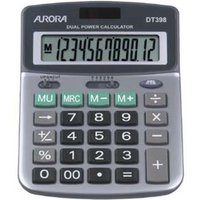
Ideal for everyday calculations, the Aurora DT398 features a large LCD display, making it easy to perform financial arithmetic at a glance.
Points forts
- Simple decimal point selector
- User-friendly design for quick calculations
- Practical size for desks
Points faibles
- Lacks advanced financial functions
- Might be limited for complex financial queries
HP 2 Line Financial Calculator Silver HP-17BII
Quzo UK

A powerful tool designed for finance students and professionals, offering an extensive range of functions, including cash flow analysis and time value of money calculations.
Points forts
- Intuitive interface
- Incredibly versatile functions
- Perfect for real estate and business finance
Points faibles
- Slightly higher price point than basic calculators
- May have a learning curve for beginners
Casio MS-80E calculator Pocket Financial Blue
Quzo UK

This compact calculator is perfect for those who need to perform basic financial operations on-the-go, with a clear display and large buttons for ease of use.
Points forts
- Portable design
- Clear and readable display
- Easy to operate
Points faibles
- Limited to basic functionalities
- Not suitable for advanced calculations
Custom high speed 58-80mm kisok printer TG2480 with low noise and easy loading for financial self-service equipment
Alibaba UK

Wholesale Price ,Trade Assurance | Alibaba.com
Aurora DB453B calculator Desktop Financial Grey
Quzo UK
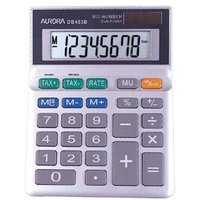
- One touch Programmable TAX feature.<br>- Robust model for everyday handheld or desktop use.<br>- Large keypad for easy entry.<br>-Extra large commonly used keys.<br>- Large 8 digit fixed angle display for optimum viewing.<br>- Durable hard keys.<br>- 3 key memory and +/- change sign key.<br>- Mark up for gross profit calculations.<br>- Constants: Addition Division Multiplication & Subtraction.<br>- Rubber feet (For desk top use).<br&
Custom 80mm high speed kiosk printer K80 for financial self-service system with low noise
Alibaba UK
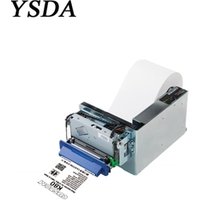
Wholesale Price ,Trade Assurance | Alibaba.com
4Comparison Table of Financial Coaching Tools
| Criteria | Aurora DT398 | HP 17BII | Casio MS-80E |
|---|---|---|---|
| Price | £15.86 | £78.73 | £18.51 |
| Key Features | Basic calculations, large LCD | Cash flow analysis, time value calculations | Portable, easy operation |
| Rating | 4/5 | 5/5 | 3.5/5 |
| Ideal For | Quick everyday use | Professionals and students | On-the-go calculations |
This table provides a side-by-side comparison of the recommended financial coaching tools, making it clear which option might suit your specific needs best.
5Best Practices for Using Financial Coaching Tools
To make the most of your financial coaching experience and tools, consider the following recommendations:
- Set Clear Goals: Establish what you want to achieve with the help of your coach. Whether it’s improving budgeting skills or planning for retirement, having clear goals will guide your sessions.
- Be Open-Minded: Financial coaching may involve some tough conversations about your spending habits or financial decisions. Approach these discussions with an open mind, ready to learn and adapt.
- Engage with Tools: Make the most of any calculators or software your coach recommends. Familiarise yourself with different features and use them regularly to manage your finances effectively.
- Review Progress Regularly: Schedule periodic assessments of your financial goals with your coach to ensure you’re on track—adjustments may be necessary as your situation or goals evolve.
- Educate Yourself: Supplement your coaching sessions with reading or online courses to continuously build your financial knowledge.
By incorporating these practices, you’ll not only benefit from coaching but also grow in your financial acumen.
Conclusion
In conclusion, investing in financial coaching is an invaluable step towards achieving financial stability and confidence. It's not just about learning the 'how', but understanding the 'why' behind financial decisions. If you're ready to take control of your financial future, consider reaching out to a financial coach today. Your financial wellbeing is worth it!