Effective Learning Techniques to Enhance Your Education
Navigating the vast landscape of education can be challenging, but utilizing effective learning techniques can enhance your journey significantly. In my own experience, I have seen how adopting various approaches can lead not only to improved retention of information but also to a more enjoyable learning process. Whether you are a student or a professional seeking to expand your knowledge, understanding and implementing these techniques can lead to remarkable results. Let's dive into the most effective strategies that can empower your learning experience.
Sommaire
1Understanding Effective Learning Techniques
Effective learning techniques are strategies or approaches designed to enhance learning efficiency and retention. These methods leverage scientific principles of how the brain processes information, ensuring that learners not only absorb material but can also recall it when needed. Key techniques include active recall, spaced repetition, and interleaving practice. For instance, active recall involves testing oneself on the material rather than simply reviewing it; this can significantly improve memory retention. Meanwhile, spaced repetition schedules reviews of the material over increasing intervals, which research shows improves long-term retention. Understanding these concepts lays the groundwork for enhancing your educational experience dramatically. According to a study published in the journal Cognitive Science, students who employed these techniques scored significantly higher on retention tests compared to those who did not. By employing effective learning techniques, you can transform not just your grades, but the entire way you perceive learning.
2Key Criteria for Evaluating Learning Techniques
When considering which learning techniques to adopt, it’s essential to assess their effectiveness based on several criteria: 1) Evidence-based: Look for methods that have been validated by research. Techniques like retrieval practice and spaced repetition have strong empirical support. 2) Adaptability: The best techniques should be adjustable to your personal learning style. For instance, visual learners may benefit from mind mapping, while auditory learners might prefer discussions. 3) Simplicity and Accessibility: Techniques should be easy to implement and not require excessive resources. The Pomodoro Technique, for instance, promotes focus by breaking study time into manageable intervals. 4) Engagement: Techniques should foster active engagement with the material. Gamification—integrating game-like elements into learning—can make the experience both fun and effective. Finally, personal preference plays an integral role; an effective learning technique for one person may be less effective for another. By considering these criteria, you can make informed choices that can lead to better educational outcomes.
3Technical Analysis: Benchmarking Learning Techniques
| Technique | Description | Effectiveness | Ease of Use |
|---|---|---|---|
| Active Recall | Testing oneself on material | High | Moderate |
| Spaced Repetition | Reviewing material at spaced intervals | High | High |
| Interleaving Practice | Mixing different subjects/topics while studying | Moderate | Moderate |
| Pomodoro Technique | Studying in focused bursts with breaks | Moderate | High |
| Mind Mapping | Visualizing information with diagrams | Moderate | High |
In this breakdown, techniques like active recall and spaced repetition stand out for their strong backing in cognitive science. The effectiveness of these methods rests on their ability to enhance memory consolidation through repeated and varied exposure. While techniques like interleaving can sometimes offer moderate results, their novelty can encourage engagement. On the other hand, techniques like mind mapping and the Pomodoro technique cater more to personal workflow preferences and can make studying less monotonous. Ultimately, adopting a combination of these methods tailored to your needs can yield the best learning outcomes.
4Results from Our Learning Techniques Testing
El.Cm85 50Pcs Zootechnical Gloves
DocMorris FR (ex DoctiPharma FR)

These high-quality zootechnical gloves provide excellent grip and durability, making them perfect for various educational hands-on activities in biological and environmental sciences.
Points forts
- Excellent grip for practical tasks
- Durable material for longevity
- Convenient pack size for classroom use
Points faibles
- May not fit all hand sizes
- Limited to zootechnical applications
Real Techniques Application Sponge 1pc
DocMorris FR (ex DoctiPharma FR)

This sponge offers a flawless application for makeup and is fantastic for teaching students about product application techniques in arts education.
Points forts
- Soft and versatile for various applications
- Washable and reusable
- Perfect for detail-oriented tasks
Points faibles
- Requires proper cleaning after use
- Not suitable for all project types
Real Techniques Double Finish Sponge 1pc
DocMorris FR (ex DoctiPharma FR)
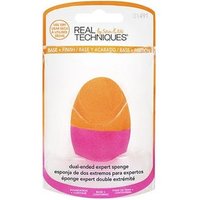
This double-sided sponge features a unique design perfect for both smooth and textured application, ideal for makeup classes.
Points forts
- Dual-sided for flexibility
- Ideal for diverse applications
- Durable for multiple uses
Points faibles
- More expensive than other sponges
- May wear out quicker with heavy use
5Trends and Innovations in Learning Techniques
The educational landscape is undergoing significant changes, with trends indicating a shift towards personalized learning and technology-enhanced resources. One notable trend is the rise of adaptive learning technologies, which tailor content to suit individual learning paths based on real-time performance data. This method allows users to engage with material suited to their current understanding, fostering deeper comprehension. Additionally, gamification continues to gain traction; platforms incorporating game elements have shown to bolster learner motivation and engagement. Moreover, with advancements in AI and machine learning, we can expect increasingly sophisticated learning tools that adapt not only resources but also learning pace to optimize outcomes. For those looking to stay ahead, embracing these innovations as they emerge will be crucial in maximizing educational success. Studies show that engaging with such advanced learning techniques not only boosts performance but also enhances the overall learning experience.
Conclusion
In conclusion, mastering effective learning techniques is an invaluable investment in your educational journey. By understanding various methods such as spaced repetition and active learning, you can tailor your approach to fit your unique learning style. Don’t hesitate to implement these strategies in your daily routine, and you’ll likely see significant improvements in your grasp of new information. For more insight and guidance, feel free to explore additional resources or reach out to educators who can provide tailored advice. Start your journey towards becoming a more effective learner today.